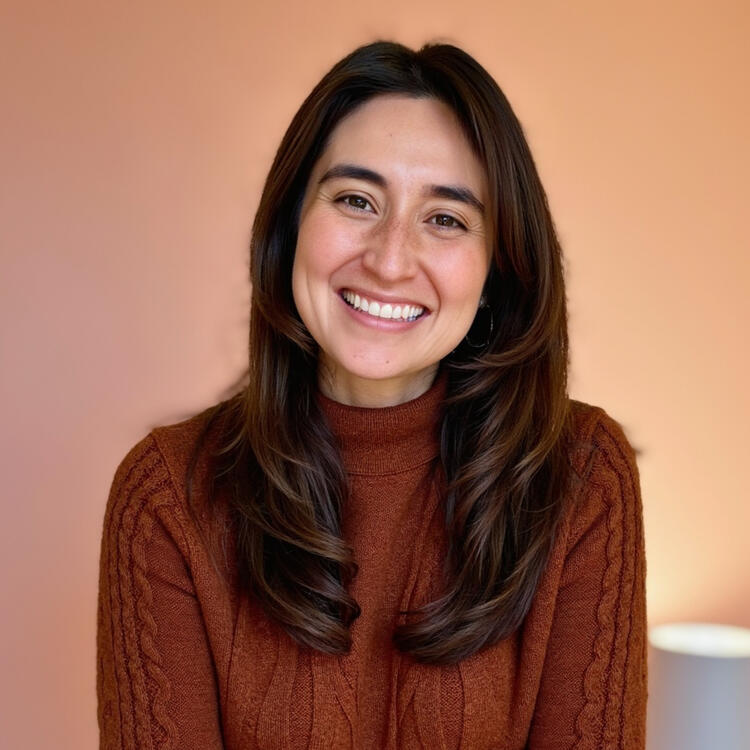
Adriana Riaño
I lead strategy at the intersection of community investment, organizational learning, and people-centered change
Why I do this work
For more than twelve years, I have led strategy at the intersection of community investment, organizational learning, and people-centered change. I have designed grant initiatives, built partnerships across sectors, and walked alongside organizations through the messy, meaningful work of turning funding into real impact.
What drives me is a simple belief: the best investments start with listening. Listening to the people closest to the problem. Listening to what data reveals and what it hides. Listening to what communities say they need, not what we assume they do.
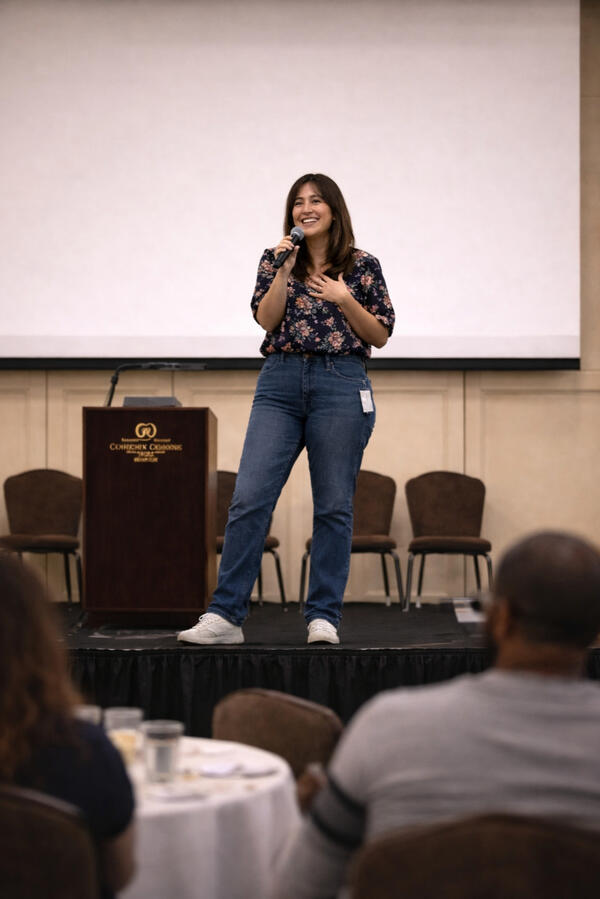
I have done this work from both sides: as someone who designs and stewards grant investments nationally, and as someone who once ran community programs on a tight budget, wrote the proposals, and showed up for families when systems fell short. I am also a facilitator. I design and hold spaces where people examine assumptions, build shared accountability, and develop the capacity to lead differently. That combination shapes everything I do.
What I do
Program strategy and grantmaking
I have been on both sides of the grants table. That dual perspective shapes everything about how I design initiatives, build grantee partnerships, and connect funding to real community impact.
Facilitation and learning design
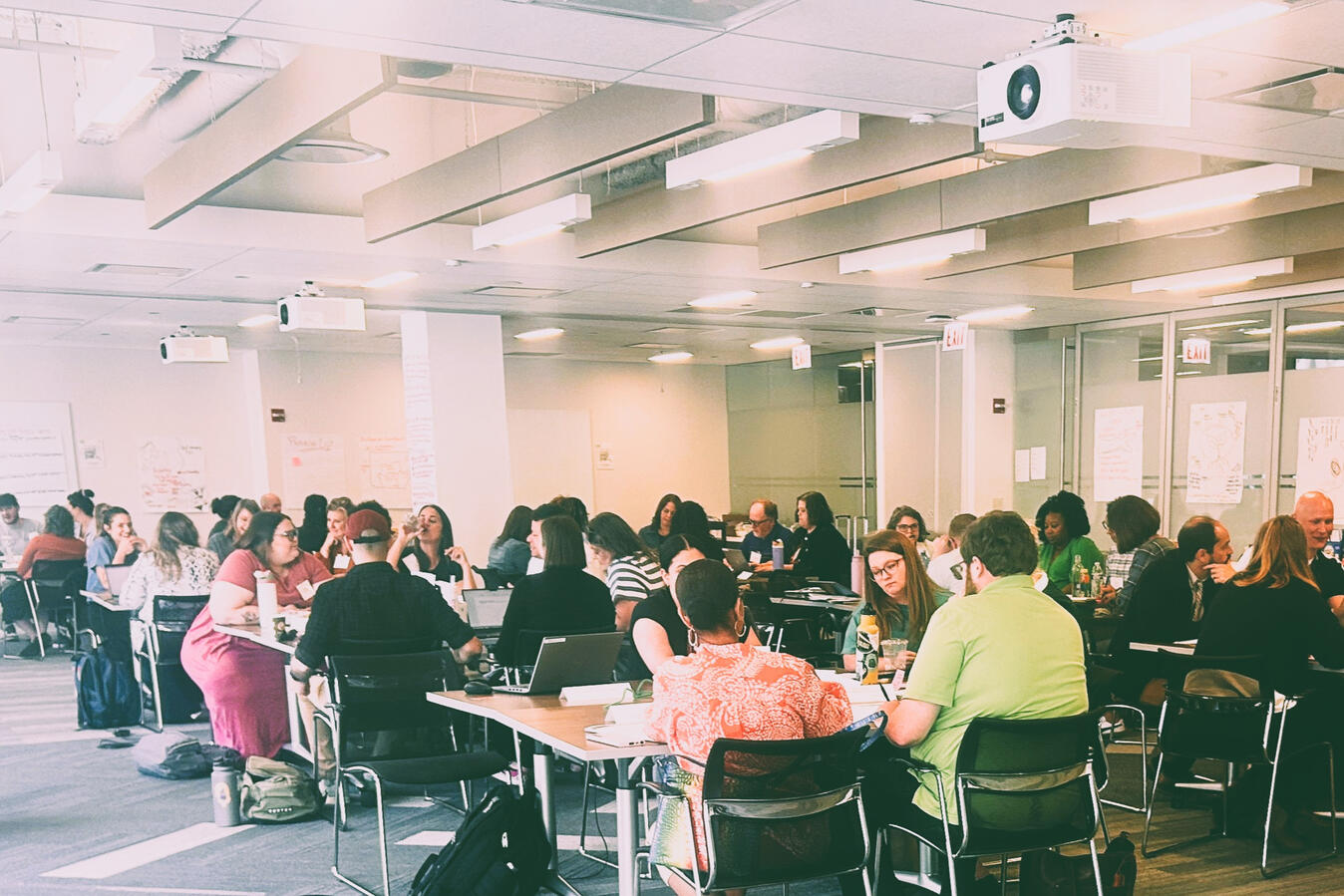
I create spaces where people examine assumptions and build the capacity to lead differently. Grounded in transformative learning theory, I move groups from awareness to action.
Community partnerships and capacity building
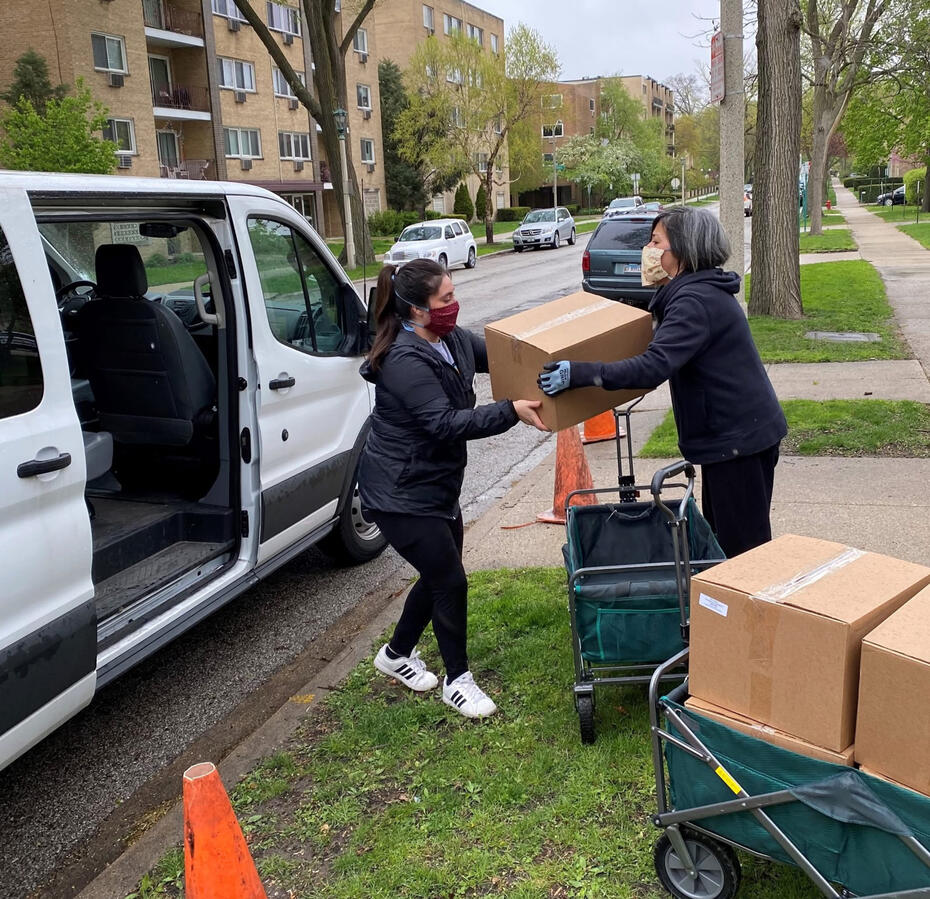
The strongest partnerships I have built were not formed through strategy. They were formed through trust, consistency, and showing up before anyone needed anything.
Research and strategy
I translate what communities are actually experiencing into recommendations that shape direction. My graduate research grounds this work in rigor, not just intuition.
The relationships we invest in shape everything we build.
Not networks. Not transactions. Genuine human connection, built through trust, consistency, and showing up before you need something. That is the foundation of every initiative I design, every room I facilitate, and every partnership I build.
— Adriana J. Riaño
In their words
"
We delayed filling the position she applied for just so she could take the job. It was the right call. She poured herself into creating something entirely new and never stopped growing.
Chief Executive Officer, Direct Service Organization
"
Her presence shifts rooms from transactional to relational. She builds the kind of trust that makes complex, enterprise-level work actually move forward.
Senior Manager, National Nonprofit Network
"
She creates space where honest, difficult conversations can happen. She asks the hard questions to make sure the right voices are centered and the work stays true to its purpose.
Nonprofit Executive Leader
"
She consistently asks who needs to be at the table but is not there yet and then advocates for their inclusion. That question has shaped every room she has ever been in.
Leadership Coach and Nonprofit Professional

What I am working on
What I learned about leadership and change
For two years, I study how adults learn and how the right leadership creates the conditions for that learning to happen. Across corporate, public sector, and nonprofit settings, transformative learning theory tells us that adults do not change through receiving new information alone. They change through experience, reflection, and relationships that challenge what they have always assumed to be true.
Through my graduate research I had the opportunity to go deeper. I conducted qualitative field research with social sector executive leaders who had moved their organizations beyond the systems they inherited, studying what triggered that shift, what sustained it, and what leading with conviction truly demands of a person and an organization over time. What I found was not a framework or a certification. It was a way of being that most leadership development programs never teach.
On learning
Learning was a conviction, not a task
Through relationships that challenged their thinking. Through communities that valued them enough to push back. Through books, conferences, and conversations that invited discomfort. These leaders sought out the learning that most professionals avoid.
On reflection
Critical self-reflection was a daily practice
They looked back at what worked and what did not with equal curiosity. They built time for reflection into how they led. They asked hard questions about their own assumptions and created practices of self-care and honest assessment that sustained them through difficult change.
On community
They built for community power and lasting impact
Success stopped being measured by organizational growth and started being measured by whether communities were building their own capacity and power. Centering community voice was not a value statement. It was an operational reality embedded in every decision.
On integrity
Values-centered practice over institutional comfort
These leaders stood firm in their values even when it put them at odds with the expectations of their boards, donors, and sector norms. In a field built around charitable goodwill, they understood that intention must be paired with accountability to produce real change.
Grounded in transformative learning theory, critical pedagogy, and strategic innovation frameworks, this research examines what it actually takes to lead beyond the systems we inherit. These are not just findings. They are the principles I bring to every room I enter.
If this work speaks to something you are navigating or building, I would love to hear about it.